Quinn Simon · 6 October 2026
How Fiber Marking Systems Aid Evidence Preservation in Forensic Textile Analysis
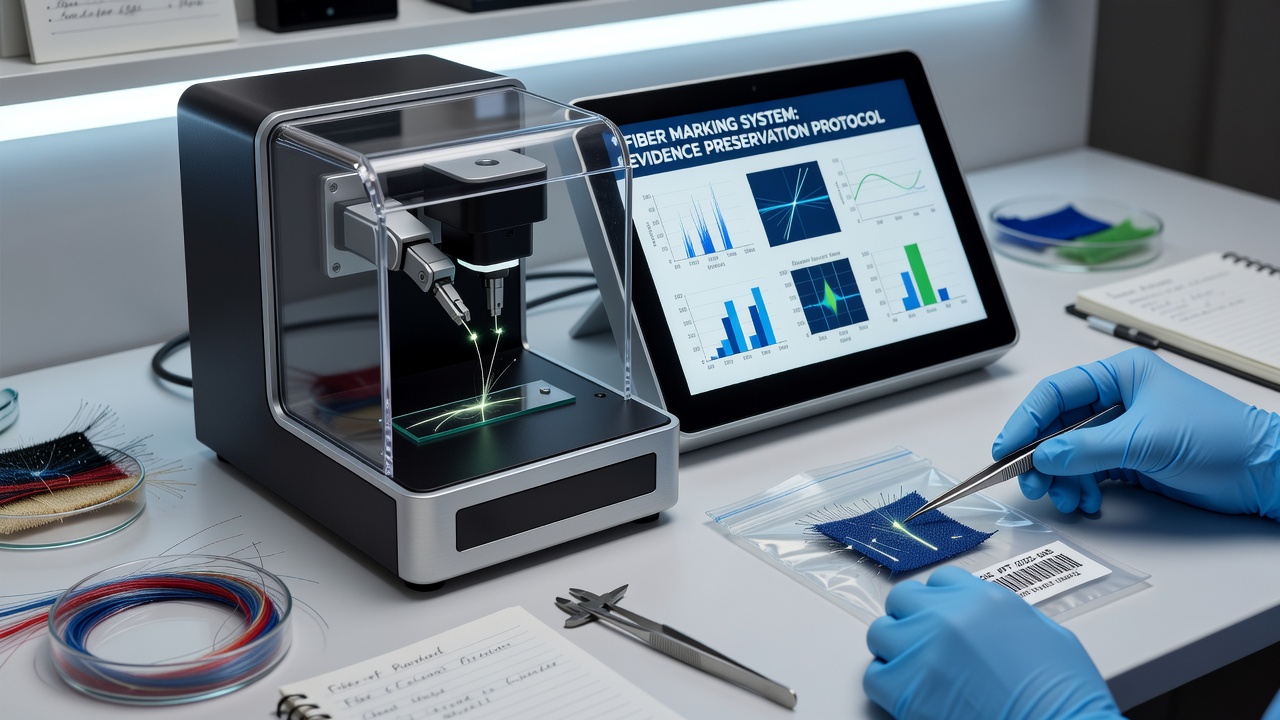
Textile fibers recovered from crime scenes often carry critical trace evidence that requires careful handling to maintain integrity throughout legal proceedings, and fiber marking systems provide a method for labeling these materials without introducing contamination or structural damage. These systems typically employ specialized inks or laser-based techniques that create durable yet non-destructive identifiers on individual threads or fabric swatches, allowing analysts to track samples across multiple examination stages while preserving original characteristics such as color, weave pattern, and chemical composition.
Core Mechanisms of Fiber Marking in Forensic Contexts
Researchers apply fiber marking systems through micro-scale deposition processes that bond identifiers directly to natural or synthetic filaments, and this approach ensures that marks remain stable even after exposure to solvents, heat, or mechanical stress during standard forensic protocols. Data from laboratory validations show that such markings withstand repeated handling cycles without migration into surrounding fibers, which helps maintain chain-of-custody documentation in multi-agency investigations. Observers note that the technology integrates with existing evidence management software so that each marked sample links to digital records containing collection timestamps, location coordinates, and examiner notes.
Preservation Benefits During Transport and Storage
Evidence bags containing marked textiles experience fewer instances of sample mix-up when unique identifiers appear on multiple fibers within a single garment fragment, and this redundancy proves useful in high-volume casework where storage conditions vary across facilities. Studies indicate that marking reduces the need for repeated physical tagging, thereby limiting opportunities for fiber loss or surface abrasion that could compromise microscopic analysis. In October 2026, updates to international forensic standards incorporated guidelines for these systems after validation trials demonstrated consistent performance across temperature fluctuations common in evidence lockers.
Analysts working with degraded textiles benefit particularly because the marks can be applied post-recovery without requiring full sample rehydration or chemical pretreatment that might alter biological residues adhering to the fibers. Those who have studied preservation outcomes report that marked evidence retains higher rates of successful downstream testing for DNA traces or dye composition compared to unmarked controls subjected to identical storage durations.
Integration with Analytical Workflows
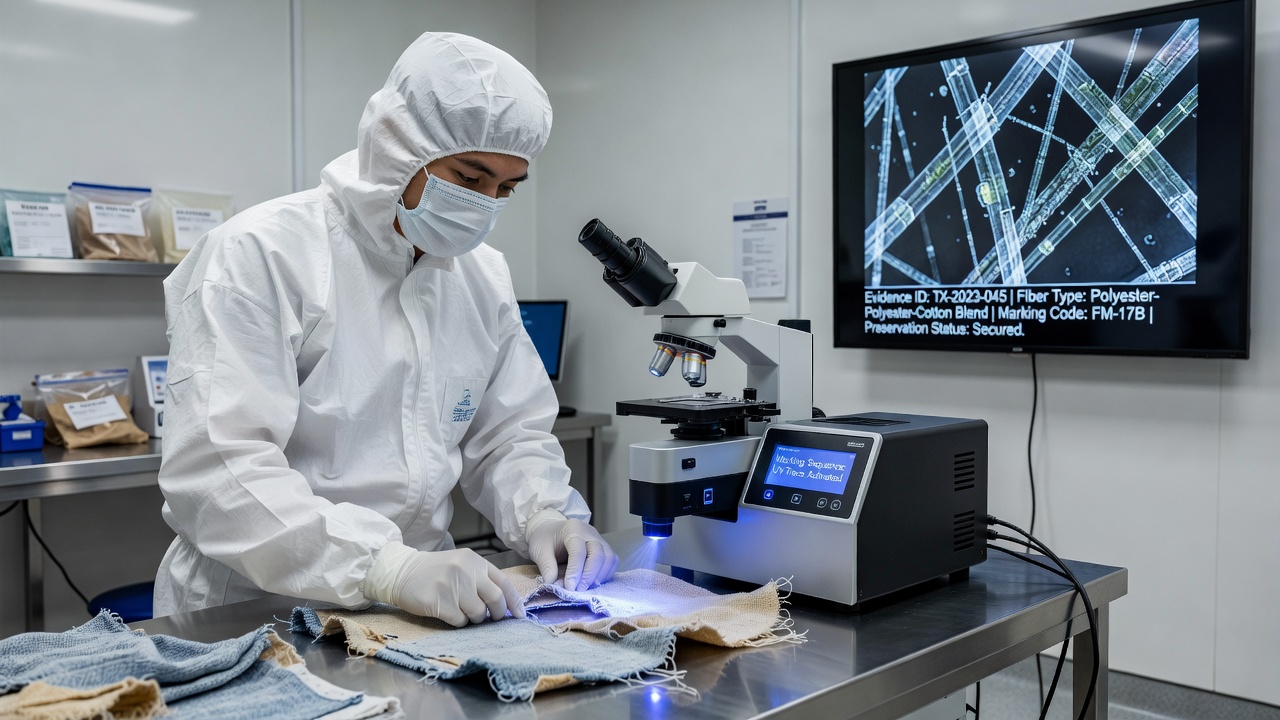
Forensic laboratories incorporate fiber marking into initial triage procedures so that examiners can quickly isolate relevant threads for comparison against suspect garments or known databases, and this step occurs before any destructive testing begins. The marks themselves remain invisible under standard white light yet fluoresce under specific wavelengths, which prevents interference during visual or spectroscopic examinations while still allowing rapid location under alternate light sources. According to reports from the National Institute of Standards and Technology, protocols using these markers have streamlined inter-laboratory transfers by providing unambiguous sample identification that survives shipping conditions.
Case documentation practices have evolved to include photographs of marked fibers at each analysis checkpoint, creating visual records that support testimony regarding evidence continuity. Research indicates that such photographic logs reduce disputes during pretrial hearings because the marks serve as fixed reference points independent of packaging labels that might detach or fade over time.
Applications Across Different Textile Types
Natural fibers such as cotton and wool accept marking agents through surface adsorption that leaves internal structures intact, whereas synthetic polymers require adjusted laser parameters to avoid melting or discoloration during the identification process. Those who've examined diverse case materials observe that the same system can handle blended fabrics by selecting wavelength settings matched to the dominant fiber type, which broadens utility in real-world investigations involving mixed clothing items. Evidence from collaborative studies between European and Australian forensic institutes shows consistent readability of marks even after exposure to environmental contaminants like soil or blood that commonly accompany recovered textiles.
Training programs for forensic technicians now include modules on proper mark placement to maximize information retention, and participants practice on mock evidence sets that simulate the range of degradation levels encountered in field recoveries. These exercises demonstrate how strategic marking locations on seams or labels avoid areas most likely to contain transferred particulates, thereby preserving both the identifier and any associated trace evidence.
Conclusion
Fiber marking systems support evidence preservation by delivering stable, non-invasive identifiers that integrate into established forensic procedures without altering sample properties. Continued refinement of application methods and compatibility with digital tracking tools has expanded their role in maintaining integrity from collection through courtroom presentation, and ongoing validation efforts ensure performance across varied textile compositions and storage environments.