Erik Friedrich · 22 September 2026
Precision Tools Enhancing Long-Term Sample Tracking in Scientific Collections
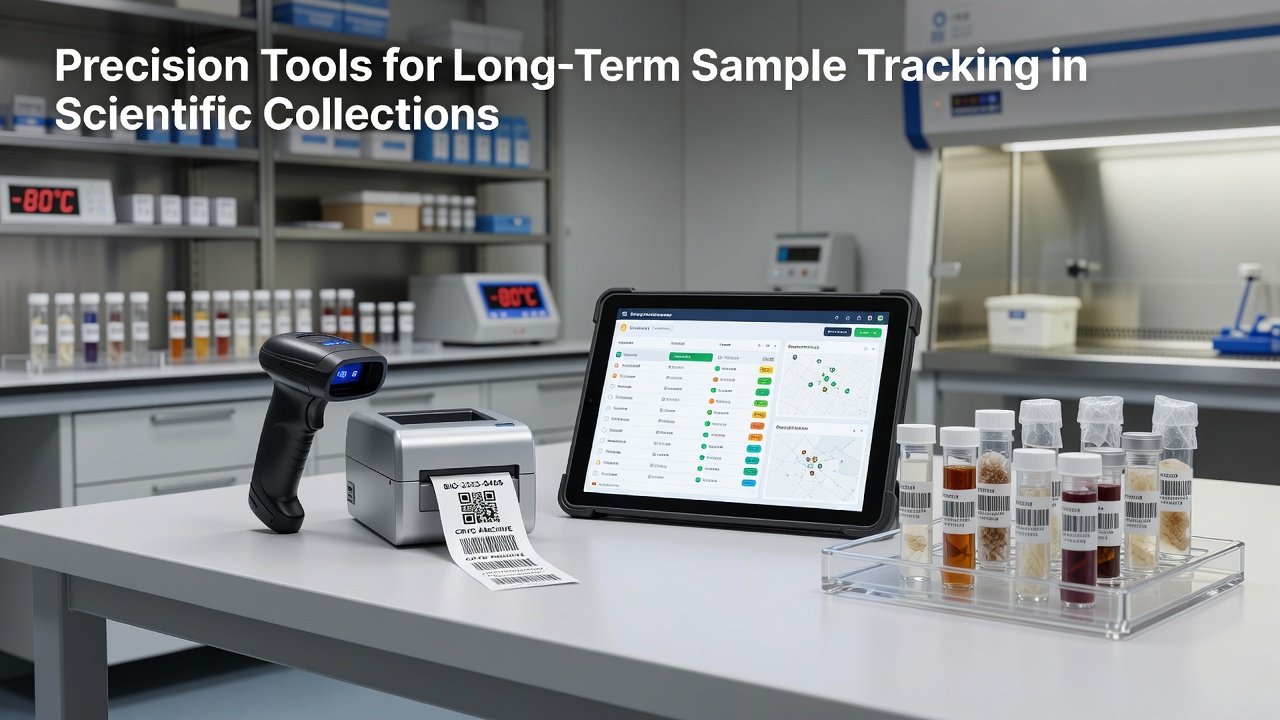
Scientific collections around the world rely on precision tools to maintain accurate records of specimens, tissues, and genetic materials that may remain in storage for decades or centuries, and these systems combine durable physical markers with digital databases to prevent misidentification or loss over extended periods.
Barcoding systems using acid-resistant labels and cryogenic inks form the foundation of many tracking protocols because they withstand extreme temperatures, chemical exposure, and repeated handling without degradation, while researchers integrate these markers into laboratory information management systems that log every transfer, analysis, and observation associated with each item.
Core Technologies in Sample Identification
Radio-frequency identification tags embedded in protective casings allow contactless scanning of thousands of samples per hour in large repositories, and this approach reduces human error compared with manual transcription methods that once dominated collection management, yet facilities must calibrate readers regularly to ensure consistent performance across varying environmental conditions. Two-dimensional data matrix codes printed on specialized substrates provide higher data density than traditional linear barcodes, enabling inclusion of collection dates, origin coordinates, and preservation methods directly on each container.
Materials science advances have produced adhesives and coatings that maintain adhesion at minus eighty degrees Celsius for over fifty years, and testing protocols developed by institutions in multiple countries confirm these specifications through accelerated aging trials that simulate long-term exposure.
Integration with Digital Management Platforms
Laboratory information management systems connect physical markers to centralized records that track chain-of-custody details, and these platforms support audit trails required by regulatory frameworks in regions such as the European Union and North America. Data from a 2024 report by the Canadian Institutes of Health Research shows that collections using integrated digital-physical systems experienced forty percent fewer retrieval errors than those relying solely on paper logs.
Cloud-based synchronization allows multiple research sites to access real-time updates when samples move between facilities, while encryption standards protect sensitive metadata associated with human-derived materials or endangered species specimens.
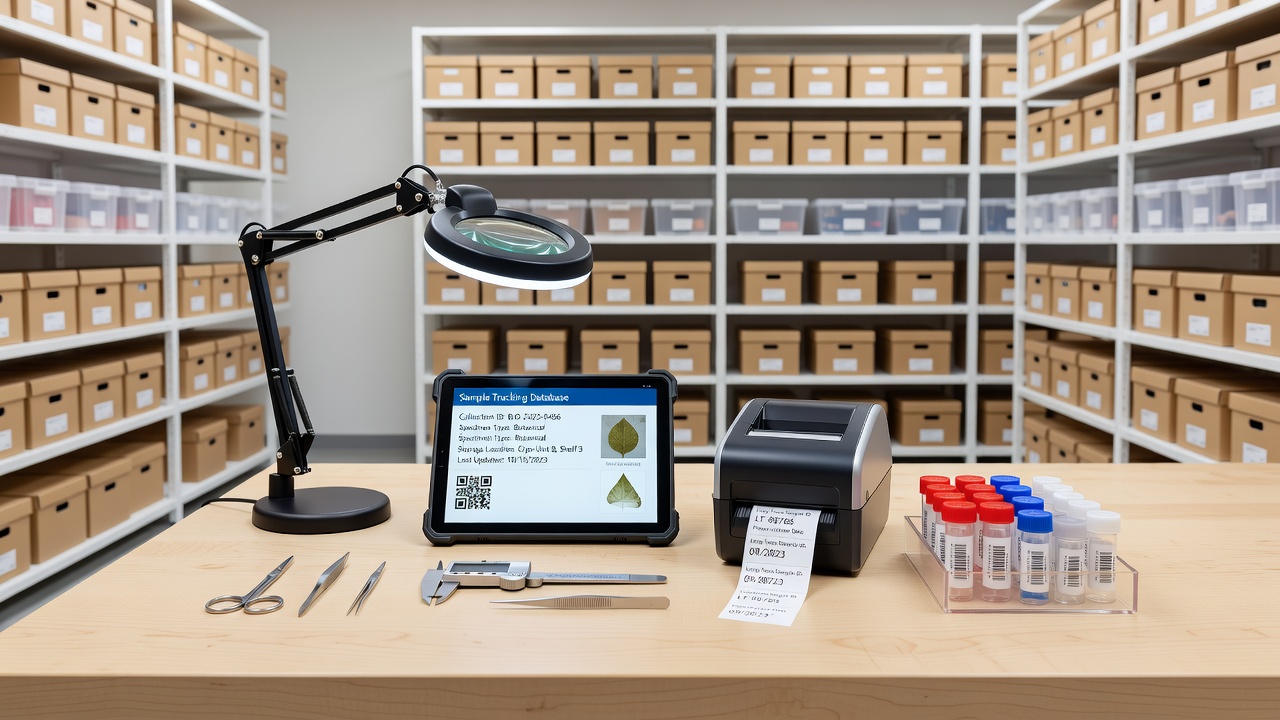
Automated inventory robots equipped with optical readers now patrol storage vaults in several major natural history museums, and these machines cross-reference physical locations against database entries several times each day to flag discrepancies immediately.
Applications Across Collection Types
Seed banks such as those maintained by the Millennium Seed Bank Partnership apply multilayered labeling that includes both visible and near-infrared readable codes, and this dual approach ensures readability even after decades of storage under low-oxygen conditions. Herbarium sheets receive permanent micro-etched identifiers that survive repeated mounting and remounting processes, while paleontological collections use similar techniques on fossil storage containers to maintain provenance data across institutional transfers.
Biobanks handling human tissue samples must comply with privacy regulations that vary by jurisdiction, and precision tracking tools help satisfy requirements for documented consent status and usage restrictions without exposing identifying information on the physical sample itself.
Challenges and Ongoing Developments
Label detachment remains a concern in high-humidity environments despite improved adhesives, and facilities address this through periodic verification cycles that combine visual inspection with electronic scanning. Standardization efforts continue across international bodies, and upcoming discussions at the Global Biobanking Symposium scheduled for September 2026 aim to align labeling protocols further among participating nations.
Emerging chemical-resistant printing methods now allow direct application of identifiers onto glass and polymer surfaces without intermediate labels, and early adoption data from Australian research facilities indicate reduced contamination risks during this transition.
Conclusion
Precision tools for long-term sample tracking combine robust physical markers with sophisticated digital systems to safeguard the integrity of scientific collections worldwide, and ongoing material innovations alongside improved database interoperability continue to raise reliability standards. Facilities that adopt these integrated approaches report measurable gains in retrieval accuracy and regulatory compliance, while international collaboration on protocols supports broader data sharing across borders.